

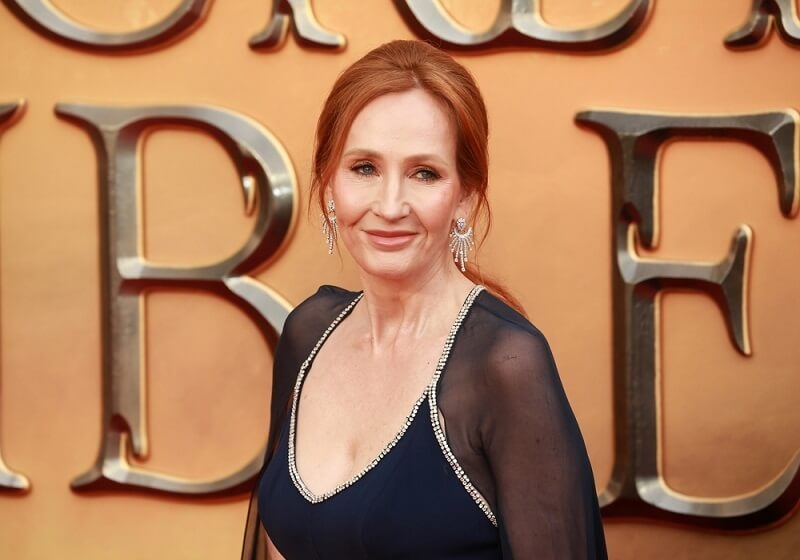
Every generation has that one storyteller whose books stick, almost like glue, to the childhoods of millions. For today’s readers, that name is J K Rowling. Some know her only as the mind behind Harry Potter. Others know bits of her personal journey. But very few people actually pause and realise how extraordinary her life really is. It’s not just about the books. It’s about the grit, the heartbreak, the surprising turns and the quiet persistence that shaped her voice. And honestly, reading a detailed j k rowling biography feels less like reading about a famous author and more like understanding how someone builds a dream brick by brick.
Let’s walk through her life in a way that feels human. Real. Close. Because behind the fame is a story full of fear, doubt, tiny victories and stubborn hope.
When people skim a j k rowling biography, they often rush straight to her success. But the real heart of her story lies in that quiet, messy period before anyone knew her name. Rowling wrote in cafes because she couldn’t afford to heat her flat. She edited chapters during her daughter’s naps. She faced rejection from publishers again and again. Twelve rejections, to be exact.
Each one said no. Politely. Firmly. Sometimes without much explanation. Imagine holding a manuscript you’ve poured your heart into and getting turned away repeatedly. It could break someone. But Rowling held on. Those rejections didn’t define her. They sharpened her.
Then Bloomsbury said yes. A small yes. A cautious yes. But a yes strong enough to change her life.
Rowling was born in Yate, England, in 1965. Nothing wildly glamorous. A small town. A normal childhood. But one thing stood out early. She loved stories. Not the quiet kind either. She made up magical characters, told stories to her sister and scribbled down ideas whenever they hit her. It was a hobby at first, something small, soft and private.
Her love for books grew alongside her curiosity about the world. She read constantly. She admired other fantasy writers. She absorbed their worlds and wondered how her own could come alive someday. But like most kids, she didn’t imagine that one day her stories would touch global culture.
Things changed when she studied at the University of Exeter. She learned languages, read classics and discovered more literature. She soaked it all in, even when she didn’t realise she was preparing for her future career.
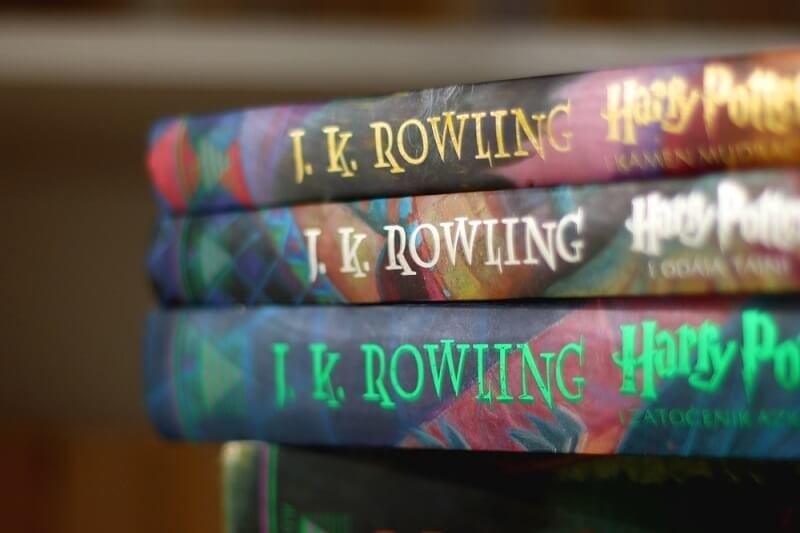
The famous moment happened on a delayed train from Manchester to London. She didn’t have a pen, she didn’t have paper, and yet the idea of a boy wizard took shape fully in her mind. Harry wasn’t forced. He simply walked into her imagination.
People often credit fate for this moment, but Rowling always said that writing the story only became real because she felt compelled to follow it. Her identity as a harry potter author didn’t appear instantly. It grew slowly, through years of writing scenes on scraps of paper, in cafes, and late at night.
Life during this stage wasn’t easy. Not at all. She moved to Portugal, fell in love, married, then faced divorce. She returned to the UK as a single mother with almost no money. She struggled to survive. She battled depression. She felt like she’d lost control. These were the years shaped by deep author struggles, the kind that test how much someone believes in their dream.
But she kept writing. Even when she doubted herself. Even when life felt unbearably heavy. That persistence is part of the reason her biography feels so inspiring.
When Harry Potter and the Philosopher’s Stone finally hit shelves, something unexpected happened. Kids read it. Then their friends read it. Their parents noticed. Teachers saw kids excited about reading again. The buzz was natural, almost organic.
Within a few years, Rowling’s story became one of the most unforgettable literary success stories of modern times. Millions of copies sold. Translations in dozens of languages. Films. Theme parks. Midnight book launches. Entire childhoods shaped by her characters.
And all of this started because one woman refused to quit.
Before Harry Potter, fantasy was popular, but it wasn’t dominating mainstream culture the way it does now. Rowling’s work didn’t just entertain. It shifted expectations. She blended magic with relatable emotions. She made friendship central. She made courage feel accessible, not impossible.
Her world building influenced countless fantasy writers after her. She made magic believable by grounding it in everyday feelings. That’s why the books hit so hard. They weren’t just spells and creatures. They were belonging, loss, bravery, fear, humour, pain and hope.
Her writing style didn’t chase trends. It created them.
Rowling’s influence stretches far beyond bookstores. Libraries saw record borrowing numbers. Kids who previously avoided reading suddenly became obsessed with long novels. Adult fantasy surged in popularity. Entire online communities formed.
The book legacy she created continues to evolve. Modern authors cite her as inspiration. Teachers use her stories to spark discussions about morality, resilience and empathy. Readers still revisit Hogwarts like it’s a second home.
Her journey taught the world something simple but powerful: stories matter. And the people who tell them often have to fight through tough chapters of their own.
Success didn’t shield Rowling from criticism. In fact, fame placed her under intense public scrutiny. People debated her opinions, her choices, her storytelling decisions. Some loved everything she wrote. Some questioned her direction. Some argued fiercely about her views.
But here’s the honest truth. Most people forget that behind every writer is a human being. And Rowling has always been that. Human. Imperfect. Learning. Trying. Adjusting. Her story is neither flawless nor neatly packaged. It’s real. And that makes her journey compelling.
If someone reads her biography and walks away thinking, “She was just lucky,” they’ve missed the point. Her life teaches readers a handful of timeless lessons.
Her journey encourages anyone who feels stuck or small or overlooked. If she could keep going, so can you.
Rowling’s life has become more than a biography. It’s become a mirror. People see parts of themselves in her struggles. Her doubts. Her breakthroughs. They see possibility. And possibility, when mixed with a little courage, becomes transformation.
Her story reminds readers that success is rarely smooth. It’s jagged, unpredictable and emotional. But deeply worth the climb.
Her story highlights persistence through poverty, rejection and personal struggles, all while building one of the world’s most loved fantasy worlds.
The idea came during a train delay, but the book grew through years of writing in cafes, late nights and constant refining.
Her imagination reshaped modern fantasy, inspired new authors and turned millions of children and adults into lifelong readers.
This content was created by AI