


There is something about a good love story that pulls people in every single time. Maybe it is that slow burn. Or the moment two characters finally realise what everyone else already knew. Or that scene that makes you shut the book, hold it to your chest, and breathe for a second because wow, that hit a nerve. Romance isn’t just comfort reading. It is emotional escape, healing, excitement, and sometimes a punch of reality wrapped in softness.
Readers often get stuck, though. Too many choices. Too many new releases. Too many popular romance books claim they will change your life. That’s where good reviews come in. Not the stiff, academic type. The honest ones. The “this destroyed me but in a good way” kind. The ones that help people decide what to pick next without wasting a weekend on a plot that drags.
We’ve all been there. You stand in a bookstore or scroll endlessly online. Covers look dreamy. Blurbs sound dramatic. But which story actually delivers the emotional punch you want? Proper insights from romance book reviews cut through the noise and let you know if the book is sweet, angsty, slow-paced, spicy, gentle, heartbreaking, or all of the above.
Reviews point out tropes, too. Enemies to lovers. Childhood friends. Fake dating. Forbidden romance. Some readers adore these. Some avoid them. And it genuinely helps to know beforehand. A single opinion can guide a reader to a perfect match or gently warn them away when the tone doesn’t align with what they’re craving.
What makes these reviews special is how personal they feel. Because romance itself is personal. A scene hits harder when it mirrors something someone lived through. Reviewers often share that human part, making the whole thing feel like chatting with a friend.
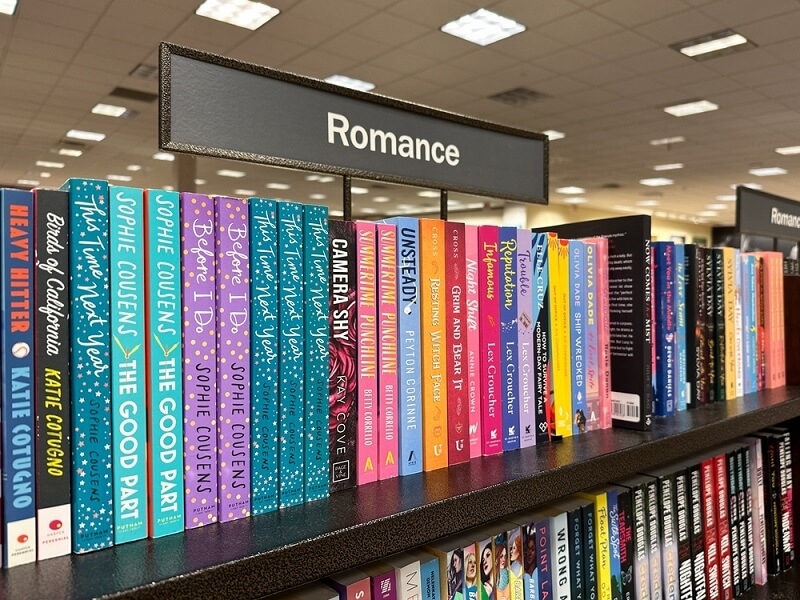
A curated romance reading list is like a treasure map. You follow it and end up in different emotional places. One book makes you laugh. Another wrecks you in the best possible way. A well built list mixes old favourites with new writers, mixing vibes, voices, and styles.
A beginner might want soft, low angst stories. Someone else might crave twists, heartbreak, second chances. And lists help organise all that in a simple, readable way. They work like playlists. Mood-based. Personality-based. Season-based. Some readers swear by summer romances set on beaches. Others love cosy winter reads full of snow, unresolved tension, and warm blankets.
Lists also save time. Instead of reading ten bland books, you read one unforgettable one.
Modern romantic fiction is far wider than people assume. It is not just about boy meets girl. It explores healing, family expectations, grief, cultural differences, neurodivergence, and the messy process of growing into someone worthy of love. The characters feel more real now. Flawed. Funny. Broken. Determined.
Readers connect with this honesty. They want characters who remind them of themselves or the people they’ve loved. They want stories that show how complicated relationships can be, mixed with those small moments that make it all worth it.
Reviews help highlight these layers. They point out unique writing styles. Emotional pacing. Dialogue tone. Chemistry. World-building. Everything that makes a romance feel alive rather than formulaic.
Great love story novels have that one quality everyone knows but no one can fully explain. It’s the moment you read a sentence and feel something shift inside you. A good romance carries tension, vulnerability, and connection. And when reviews describe these moments, you can sense exactly what kind of emotional journey awaits.
Some reviewers pick out quotes. Others describe a scene without giving spoilers. A few summarise how the book left them feeling. And strangely, that is often enough. You want a book that lingers. A book that makes you cry but also smile. A book that feels like holding someone’s hand in the dark.
Those reviews become doorways. Once you step through, the story becomes yours.
Romance tropes aren’t clichés if they’re written well. Readers adore them because they carry familiar beats layered with new twists. Reviewers often call these out, helping book lovers choose based on what thrills them most.
Slow burn stories where characters deny their feelings until the last stubborn moment. Quick, fiery romances that steal your breath. Second chance stories that heal old wounds. Reviews reveal how each book handles its trope, whether it’s fresh. Heavy. Soft. Chaotic. Or delightfully dramatic.
If you ask ten romance readers their favourite trope, you’ll get ten different answers. That’s the fun.
Not every great romance book has a huge marketing budget. Some sit quietly in a corner, waiting for someone to notice. Reviews often uncover these hidden gems. Sometimes a single enthusiastic reviewer can bring attention to a book that deserves more love.
This is where the power of community shines. Readers lift up writers. Writers inspire new readers. And slowly, the cycle grows into something beautiful.
Popular reviews shape what becomes the next big thing. A glowing write-up sparks conversation. Conversations turn into recommendations. Before long, a book becomes part of the cultural moment. And readers love feeling part of something bigger than just a solitary reading experience.
This is why romance book reviews matter twice. They help individual readers find good stories. But they also support the whole genre by highlighting writers doing brilliant work.
Authors rely on early reviews to know how their story lands. Did readers connect with the characters? Did they care about the romance arc. Did the pacing drag in the middle. Reviews give insights authors can't always get anywhere else.
Readers don’t realise how much impact feedback has. A thoughtful paragraph. A star rating. A note saying the book made them cry. That encouragement often keeps writers going.
Reading romance often turns strangers into friends. Book clubs, online groups, small discussions between readers who felt the same ache in the same chapter. People bond over fictional characters because emotions feel real.
Readers share recommendations. Swap favourites. Argue over endings. Laugh at tropes. Cry at finales. And through all this, reviews help create the bridge.
A helpful review shares real emotion, points out strengths or weaknesses honestly, and guides readers without spoiling major plot moments.
Look for curated lists, community recommendations, and reviews that highlight the tone, tropes, and emotional style you enjoy.
Absolutely. Strong reviews boost visibility, encourage new readers, and can even turn overlooked books into favourites within the romance community.
This content was created by AI