

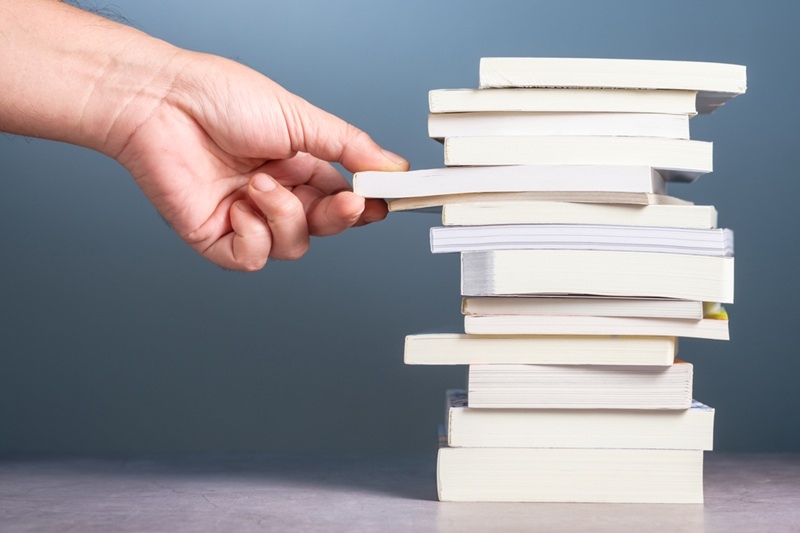
For a lot of Americans, reading is something they would like to enjoy more, but never manage to. "I'll pick up a book that everyone is talking about, and I'll never finish it," is a common refrain. "I never finish a book, but I never really want to read one, because all of mine are here, and that one catches my eye, and before I know it, I'm done with one, so I'll just wait for the next one to come out," is another. The key is to learn how to choose books that are really in line with your interests.
The thing is, enjoying books has nothing to do with getting your hands on “the best” or most in-demand books out there. It has everything to do with developing an understanding of your own reading preferences when it comes to books and taking advantage of smart genre selection to find great books.
Whether or not you’re taking up this new habit or just sick of throwing your money at books that never get finished, this guide is here to help.
Before learning the skills necessary to pick books, one can benefit from considering why some books fail in regard to their purpose. It is because most readers stop reading with the intent to continue with books based on trends rather than their own satisfaction. This could include bestsellers, recommendations from celebrities, or trending books from TikTok.
Unrealistic expectations are also a problem. A book can be well-written and just not be what you need when you need it. It is essential to understand that it is okay to dislike bestseller books.
A sound guide for selecting books you'll love is self-knowledge about your reading habits. Your reading preferences are determined by the factors of personality, lifestyle, span of attention, and emotional needs.
You can ask yourself what type of reading experience you like best. Are you interested in quick reads or in stories that are more contemplative? Related to this are questions about whether you're interested in stories that focus on people or on imaginative worlds. Answering these questions for yourself can help you pinpoint what type of genre you're interested in.
Your personal book preferences might also change. A book fan who favors lengthy novels or non-fiction fantasy novels during college years might favor shorter novels or non-fiction after their busy work hours. The routine evaluation of your book preferences enhances the way you select novels or any type of book.
Genre selection is important when learning to pick books, but genres do not have to be hard and fast categories. Some readers tend to assume they only enjoy one or two genres, but actually enjoy intersectional books without even realizing it.
“If you’re a fan of crime podcasts, for instance, you might adore narrative nonfiction or investigative thrillers. Perhaps you enjoy romantic films with a comedic element—well, romantic comedy or contemporary fiction might appeal to you.” Browsing through genres related to the ones you enjoy is an excellent strategy for branching out into the world of reading without leaving the safety of familiar waters.
Genre classifications are also important for book discovery. Recognizing the distinction between literary and commercial fiction, or between cozy mysteries and psychological thrillers, is useful and can help you make informed book selections.
One of the more effective methods to learn about choosing books would be to review your reading history. You would observe the books you enjoyed reading in the last few years.
Pay attention to the authors, themes, styles of writing, pacing, and settings. When you find that you like first-person novels and novels set in small towns, this becomes an important key to unlock other reading selections for you in the future. Conversely, learning what did not appeal to you will assist in honing your preferences.
This is what helps you simplify decisions when it comes to picking novels because you’re no longer making an educated guess—you’re working from what you
“Personalized” book discovery systems are available today, making it easy to select a book, but this is predicated on using these tools for that purpose. Rather than emphasizing star rankings, read a balanced assortment of reviews that are both positive and negative.
Look out for reviewers who have been able to articulate reasons behind why they enjoyed or disliked a book. If these reasons correspond with what resonates with you personally about reading, reviews become much more effective than generic recommendations.
Experimenting with genre choice would work very well in the library. You get to borrow the books; hence, you can change genres without spending money, making the process easier when selecting novels.
What is often considered a very important aspect of how to choose a book is selecting a book based on the mood you are in. It doesn’t matter how much you love a particular book; sometimes you can be in the wrong mood.
Following a stressful day, you would rather be reading consoling or comedic books rather than literary fiction. When on vacation, you can get lost in reading material that requires more concentration. Knowing about the role of mood in reading can be helpful in informed decision-making when reading materials need to be selected.
Many readers in the U.S. switch on a regular basis between whatever kinds of books they are interested in at given points in time. For example, they might turn to easier books when they are busy and reserve harder books for when they have time.

One of the greatest barriers to the enjoyment of reading is the need for "should." Too often, readers pick up books due to a certain obligation, such as classics, award winners, or influential texts, regardless of their personal enjoyment.
Mastering book selection begins with granting oneself permission to focus on enjoyment. There is no need to explain or justify reading for pleasure. When choosing what to read, ask not what is appealing about the book, but what you feel about the book. Don’t base selection on what will strike people when you tell them about the
To release guilt, it’s important to give up some of your own desires for reading preferences to make it easier to choose reading materials.
One of the underappreciated methods of discovering a book involves sampling the content of the book. Many websites enable you to access the first few pages of the book to read the content. You could also sample the book if you visited the local library or bookstore.
Notice how the words flow through the first few pages. Do you respond to the voice? Is the language readable or too thick? Such impressions tend to be telling predictors of ultimate enjoyment.
Sampling helps in making more intelligent genre choices and goes a long way in preventing situations where an individual may be forced to go through books he or she does not enjoy.
As you become more adept at how to pick books, create a personal and straightforward book selection method. Perhaps this could revolve around maintaining a ‘to read’ list according to recommended readings, favorite authors, and topics of interest.
This attitude prevents burnout and makes reading enjoyable rather than an obligation.
Learning how to choose books that you will enjoy reading is not an acquired skill that happens overnight. By understanding what you like to or should not read and leveraging new technology that helps you identify the right genre of books you will enjoy reading, you can vastly improve your reading experience.
How to choose books is not about being perfect; it is about curiosity, self-awareness, and adaptability. When picking books becomes intentional and personal, reading is no longer something to be accomplished and becomes something to be enjoyed. By applying the correct mindset toward picking novels, every single book picked has the potential to be a good escape and not a to-be-finished project.
Learning how to pick book titles is also an effective way of saving time from books that are not aligned with the reader’s preferences. Once a reader is aware of what he or she likes when it comes to book styles, themes, or genres, there is a tendency that book selection and book finish rate will improve.
If you are having trouble deciding on a genre, I would recommend starting off by considering shows or movies, or podcasts that interest you. They might relate back to your reading interests. Another option is to pick up some books, check out a library, or see reviews by readers like yourself.
There’s nothing wrong with stopping to read a book if you don’t like it. Not all books will appeal to your reading tastes and preferences when the time rolls around for you to read one. Just take it as part of learning how to select better books for yourself in the future.
This content was created by AI